Character Co. Cannabis Dispensary Shop Now!
Character Co. Ltd.
  • CHARACTER CO.
    • About Us
    • Support Local
  • WHAT’S NEW
    • Rewards Program
    • Cannabis Deals and Savings
  • CANNABIS MENU
    • Flower
    • Pre-Rolls
    • Cartridges
    • Concentrates
    • Edibles
    • Topicals
    • Accessories
  • MEDIA
    • Cannabis Blog
    • Videos
    • In the News
  • INFO
    • Contact

Learning & Information

CBD for Weight Management

CBD for Weight Management-OLDFILE

June 20, 2019
0 Comment


Character Co. Blog


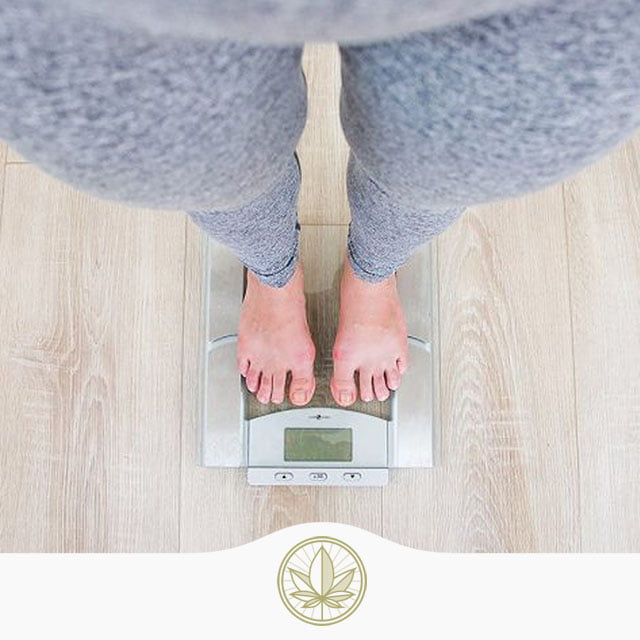
CBD for Weight Management

The effects of CBD on weight loss or weight gain


Endocannabinoid System

We know that the human body has a built-in endocannabinoid system that responds to different compounds in the body through two cannabinoid receptors, called CB1 and CB2 receptors. Usually, the CB1 receptors exist mainly in the brain and the central nervous system, and are almost nonexistent in the rest of the body. In people with obesity, however, CB1 receptors become more widespread. This is true especially in fatty tissue. Because of this, researchers believe that there may be a link between the activation of the CB1 receptors and obesity. 

CBD does not activate the CB receptors directly, instead influencing the body’s natural cannabinoids to either block off or activate the receptors. This may play a role in weight loss or other critical metabolic functions.


Food Intake and Metabolism

Preliminary research suggests that CBD may reduce food intake and boost metabolism, which could promote weight loss.  

The endocannabinoid system stimulates other areas of the body involved in metabolism including the gastrointestinal tract, endocrine pancreas, and skeletal muscles, among others. CBD can assist metabolising compounds absorbed from food during digestion by prompting the two receptors.

Over stimulating the endocannabinoid system can lead to abdominal obesity, insulin resistance and increased energy storage in fat cells.  CB1 receptor when over stimulated can increase odds of developing metabolic syndrome which is associated with adverse symptoms such as high blood pressure, excess body fat, and high blood sugar among others. It has been noted that CBD is a CB1 antagonist which may have the ability to treat such a condition and possibly others like it as well.


Surprisingly, cannabis use is associated with lower body weight

Using marijuana doesn’t cause sudden weight loss, but experts believe it may help with some of the underlying factors that can contribute to weight gain in some people. Some of these factors include:

It can increase mobility

Marijuana is believed to relieve symptoms of pain and stiffness. This means people with mobility issues may find that they are able to be more active when using marijuana, which would naturally contribute to weight loss or weight management.

It may cause people to drink less

Some experts have noted that those who use cannabis, tend to drink less. Alcohol, which has the highest calorie content next to fat, can be a significant factor to weight gain. 

It can lower stress

Anyone who has ever dieted knows that stress eating is a very real thing. Studies have shown that people are more likely to overeat and choose high-calorie comfort foods when feeling stressed. If cannabis can ease anxiety and help a person remain calm, it enables them to make healthier food choices. 

It may improve sleep

Evidence shows that poor sleep can be a major factor in weight gain. There’s also evidence that cannabis can improve symptoms of insomnia. Better sleep means better food choices. 


CBD and Fat Cells

One study found that cannabidiol can promote the browning of 3T3-L1 adipocytes, in other words, the browning of fat cells.  


Two types of fat – white and brown – exist in the human body


White fat is much more plentiful than brown, and is responsible for the storage of energy and production of hormones. However, it is also the fat most associated with chronic illnesses such as diabetes and heart disease, when accumulated in excess. 

Brown fat on the other hand, burns calories when stimulated. Scientists are studying brown fat as a potential obesity treatment if they’re able to find a way to stimulate it. Interestingly, research has shown that CBD may aid this process.   

A recent study suggests that CBD plays dual modulatory roles in the form of inducing the brown-like phenotype as well as promoting lipid metabolism. Thus, CBD may be explored as a potentially promising therapeutic agent for the prevention of obesity. 


CBD for Weight Management


In Summary

Though it’s not conclusive that CBD can aid in weight loss, the current research strongly suggests that CBD can help with maintaining weight.  If weight loss is the goal, it would not do any harm in adding CBD to your current regime. Just do so knowing that the science is still new, and it may not help at all.

Find out more:

Crash Course on CBD

https://www.ncbi.nlm.nih.gov/pubmed/21868374

https://www.healthline.com/nutrition/cbd-oil-for-weight-loss#weight-loss
 

Read More

Cannabis Concentrates - A Glossary

March 30, 2019
0 Comment

Character Co. Blog


Cannabis Concentrates

A Glossary


You have probably heard a lot lately about the wonders of CBD, or cannabidiol, the latest thing in the health world. You’ve probably heard so much in fact, that your spidey-sense is starting to tingle. Can CBD really be the cure-all for everything? 

Let’s start by separating the science from the hype. What do we actually know about CBD and its effects on weight loss or weight gain? 


Cannabis Concentrates

The second round of legalization in Canada will revolve around cannabis edibles and cannabis concentrates. These are set to be introduced into legislation by the end of 2019. Most people are already familiar with edibles. In fact, the National Post has declared that cannabis-infused edibles will “radically transform food and drink” in Canada, and there’s already talk of introducing the world’s first cannabis-infused beer!

But what about concentrates? What do we really know about them? Well, like the name implies, concentrates are a concentrated form of cannabis. The most popular form of concentrates on the market today are hydrocarbons, or BHO’s (butane hash oil extraction method), which use a chemical substance to strip the cannabis plant of cannabinoids such as THC, CBD, and various terpenes.

Available in a myriad of forms and textures, and further accompanied by a range of slang, the category of cannabis concentrates can seem overwhelming and more than just a little confusing. Below we explore the most common BHO’s that are likely to be found in dispensaries so you can feel confident when selecting what’s right for you.


Types of Concentrates


Cannabis Concentrates

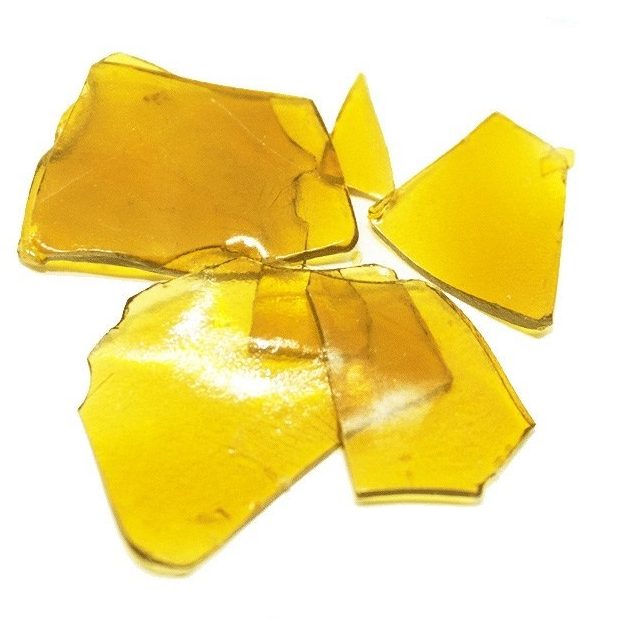
Shatter

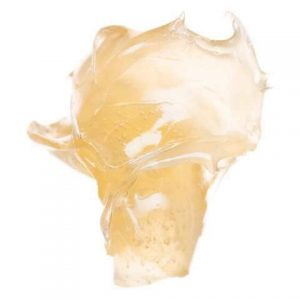
Shatter is probably the most popular of the cannabis concentrates.  Getting its name from what happens when you drop it, shatter has hard, glass-like consistency, very similar to caramel brittle that are often found on fancy desserts.  Some cannabis purists will argue that this is the best form of concentrate since the cannabinoids in shatter are in the same state that you would find them if left in the plant material, just more of them.

Due to its hard consistency, shatter is best consumed by doing dabs, though some higher end vape pens will do the job.


cannabis concentrates

Butter, a.k.a. Budder, a.k.a. Batter

Budder is essentially the same form of concentrate as shatter, wax, honeycomb, crumble, and flake, with the only differentiation coming from tweaks in the extraction process. Budder is formed by pouring extract into a Pyrex vessel and whipping it while apply heat. This gives budder that creamy and smooth consistency.

Careful not to confuse budder with cannabudder. Cannabudder is for cooking, and is literally cannabis infused butter, while budder, or batter, is meant to be inhaled.


cannabis concentrates

Wax, Crumble, Honeycomb


Cannabis Concentrates

Wax, Crumble, Honeycomb

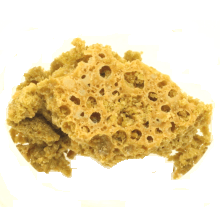
Cannabis Wax, like shatter and butter, is made using BHO extraction. During the extraction, if the concentrate solution is overheated or agitated, it produces an opaque material with a consistency similar to ear wax (as unappetizing at that sounds). If the consistency is porus, it would be called Honeycomb. If it turns out dry and flaky because less heat was applied during extraction, it would be called Crumble or Flake.


Hash

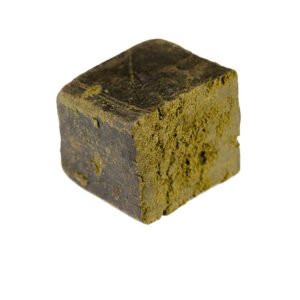
Most everyone knows about hash, the oldest player in the game and one of the few concentrates made without the use of BHO’s. Hash is made by compressing the plant’s resin, or the powdery kief that coats the cannabis flowers.

Although not at strong as its BHO counterparts, hash remains a staple in cannabis culture due to its versatility. Easily consumed on its own, or added to any joint or bong hit for a little added extra.


Cannabis Concentrates

Hash Oil, Honey Oil

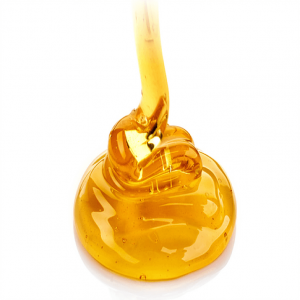
Hash oil, or honey oil, uses alcohol such as Everclear or isopropyl to separate the delicious trichomes and cannabinoids from the plant. Once the alcholol has been evaporated, what you’re left with is the dark concentrated plant extract.


Cannabis Concentrates

Live Resin

Live Resin is known for its intense flavor. The process of using live plant material (fresh or frozen) helps preserve the terpenes and many other cannabinoids that don’t get spoken of very often. This is what contributes to the entourage effect that provides an incredibly well-rounded high that is complemented with delicious flavor profiles. Unfortunately, live resin is pricier than other concentrates.


Cannabis Concentrates

This increasingly popular and unique form of cannabis concentrate involves the cryogenic freezing of a freshly-harvested plant at temperatures below -292 degrees F (-180 C). This process is often labeled “full plant” or “full spectrum” because it involves the entire plant, including the flowers, leaves, branches, and even stalk.


Cannabis Concentrates

Rosin, Rosen Tech

Unlike most of the other concentrates mentioned in this post, Rosin is made without chemical extraction. Instead, it’s made using a combination of heat and pressure to release the THC rich resin.

This increasingly popular and unique form of cannabis concentrate involves the cryogenic freezing of a freshly-harvested plant at temperatures below -292 degrees F (-180 C). This process is often labeled “full plant” or “full spectrum” because it involves the entire plant, including the flowers, leaves, branches, and even stalk.

Extracted from fresh, frozen flowers or trim, the distinct difference between Rosin and Live Rosin is terpenes. While a hair-straightener might be sufficient for extracting rosin from cured flowers, the water content in the frozen plant matter would boil when heated, thereby making the technique unsuitable for live rosin. Rather, live rosin is made by first making ice wax, and then drying that extract prior to pressing it.


Distillates

Cannabis Distillates are a different kind of concentrate that are beginning to make waves in the cannabis community. Distillates are 99% pure decarboxylated and distilled cannabinoid sap. Although it’s the most expensive concentrate available, it’s for good reason. Distillates have an unmatched purity for cannabis connoisseurs to enjoy.

So what makes distillates so pure? Well, in order to isolate compounds such as THC, or CBD, into their purest and most concentrated form, additional layers of refinement must be executed. This is known as fractional, or short path distillation. First, cannabinoids and terpenes are separated from the flower using hycrocarbon or CO2 solvent-babsed extraction techniques. The isolated cannabinoids then undergo decarboxylation in order to activate certain compounds. Finally, they’re run through a short path steam distillation or rational distillation chamber in a series of passes to purify the desired compound to its isolated state on a molecular level.


Read More

Dabs and Dabbing - Cannabis 101

March 27, 2019
0 Comment


Dabs and Dabbing

Concentrates 101


The Dictionary describes dabbing as: the action or practice of inhaling small quantities of a concentrated and vaporized drug, typically cannabis oil or resin.

The terms comes from the usually small portions of cannabis concentrates inhaled at one time. Because concentrates are much more potent than regular cannabis flower, only a tiny dab is required to feel the effects. When people say they’re dabbing, they’re usually referring to the method of consumption. The most common methods being either vaporizers, or oil rigs, though there are other methods.


Cannabis Concentrates

Concentrates are exactly that, a concentrated form of cannabis. Thus, the higher potency. Not all concentrates are created equal though, with variances in texture, potency, and methods of consumption.

Some of the most popular forms include: wax, shatter, live resin, and so much more. For a quick review of cannabis concentrates, check out our post Cannabis Concentrates – A Glossary.


Types of Concentrates

Most Popular Forms

cannabis concentrates

Wax

Cannabis Wax, like shatter and butter, is made using BHO extraction. During the extraction, if the concentrate solution is overheated or agitated, it produces an opaque material with a consistency similar to ear wax (as unappetizing at that sounds).


Cannabis Concentrates

Shatter

Cannabis Wax, like shatter and butter, is made using BHO extraction. During the extraction, if the concentrate solution is overheated or agitated, it produces an opaque material with a consistency similar to ear wax (as unappetizing at that sounds).


Cannabis Concentrates

Live Resin

Cannabis Wax, like shatter and butter, is made using BHO extraction. During the extraction, if the concentrate solution is overheated or agitated, it produces an opaque material with a consistency similar to ear wax (as unappetizing at that sounds).


Dabbing Methods


Vaping

Is the action or practice of inhaling and exhaling the vapor produced by an electronic cigarette or similar device


Dab Oil Rigs

A dab rig, sometimes called an oil rig, is used to smoke rosin, shatter, butane hash oil (BHO), glass, CO2 oil, or other cannabis concentrates. … Cannabis concentrate is placed on the dab nail using a dabber.


Twaxing

As defined by the originator, @TWAXGang, to twax is “to apply hash/concentrates to the inside, outside, or tip of your rolls/bowls in any way shape or form.”  As cannabis extracts have become more readily available with recent legal changes, so has their application on and within joints.


Hot Knives

The act of heating butter knives on an electric coil range at a high temperature, until butter knives are glowing hot.


Healthstone

Are porous rock that you can fit into your bowl, the advantage is that you can use other kinds of concentrates.


Read More

A List of Cannabis Fines and Infractions

October 24, 2018
0 Comment

A List of Cannabis Fines and Infractions

(Listed by Province)

Now that cannabis has been legalized in Canada, individual provinces are finalizing laws and regulations concerning cannabis and cannabis consumption. Some provinces are much more severe than others, and the differences can vary greatly. To help you navigate these new laws, we’ve compiled a list of fines and punishments by each province for offences such as driving while high to provincial by-laws and growing your own cannabis at home.

Penalties for Driving High

It really doesn’t matter which province you’re in, driving while high is illegal everywhere in Canada. The best way to avoid the penalties listed below, is to not drive high.

First Offense

Seizure of driver’s license for 90 days.
Vehicle impounded for 3 days – driver responsible for towing fees.
$200 fine.

Second Offense

Seizure of driver’s license for 90 days.
Vehicle impounded for 7 days.
$300 fine.
Possible driving course.

Third Offense

Seizure of driver’s license for 90 days.
Vehicle impounded for 30 days.
$400 fine.
Mandatory driving course.
Possible mandatory ignition interlock (the device that measures THC or blood-alcohol level in blood in order to power vehicle)
More information on driving penalties in B.C. can be found on the government website.

Alberta

First Offense

Immediate 90-day licence suspension.
Immediate 3-day vehicle seizure.
Mandatory driving course.
One-year participation in an ignition interlock program.
$1,000 fine.

Second Offense

Immediate 90-day licence suspension.
Mandatory driving course.
One-year participation in an ignition interlock program.
Mandatory 30-day imprisonment.

Third Offense

Mandatory driving course.
One-year participation in an ignition interlock program.
Mandatory 120-day imprisonment.
The information above was found on the government of Alberta’s website.

Saskatchewan

First Offense

License suspension for 3 days.
Impounded vehicle for 3 days.
Mandatory driving course.

New Criminal Code Charges

Immediate driver’s licence suspension until the court has disposed of the charge.
30-day vehicle seizure – vehicle owner responsible for towing and impound fees.
60-day suspension if driver is also impaired by alcohol.

Upon conviction

One-year driving suspension to a maximum of 5 years.
Fine of $1,250 to $2,500.
Mandatory driving course.
More information related to the above can be found on th.e Government of Saskatchewan’s website.

Manitoba

First Offense

Suspension of driver’s license for one year.
Possible 18 month imprisonment
$1,000 fine.

Second Offense

5 year suspension of driver’s license.
Minimum 30 days imprisonment.

Third Offense

10 year suspension of driver’s license.
Minimum 120 days imprisonment.

Accident that leads to bodily harm or death

5 year suspension of driver’s license.
Possible 10 year imprisonment.
More information can be found on the website of Manitoba Public Insurance.

Ontario

The Ontario Ministry of Transportation lists three different categories of penalty: offense without indictment, charges, and court convictions.

First Offense

3 day suspension of license.
$250 fine.

Second Offense

7 day suspension of driver’s license.
Mandatory education program costing $350.

Third Offense

30 day suspension of license.
Treatment program.
Ignition interlock device for 6 months.
$450 fine.
Mandatory medical exam.

Court Convictions – First Offense

Licence suspension of at least 1 year.
Mandatory education or treatment program.
Ignition interlock device for at least 1 year.
Mandatory medical evaluation.

Court Convictions – Second Offense

Licence suspension of at least 3 years.
Mandatory education or treatment program.
Ignition interlock device for at least 3 years.
Mandatory medical evaluation.

Court Convictions – Third Offense

Lifetime licence suspension.
Mandatory education or treatment programs.
Ignition interlock device for at least 6 years.

Quebec

First Offense

Immediate suspension of license for 90 days.
Possible suspension of license for one year.
$1,000 fine.

Second Offense

$2,000 fine.
Prison sentence with period determined by court.
More information about Quebec’s driving penalties can be found on the SAAQ.

Prince Edward Island

Like Ontario, the Government of Prince Edward Island also separates penalties into three structures.

First Offense

1 day license suspension.
7 day driving ban
vehicle impounded for 30 days.

Second Offense

1 day suspension of your license.
7 day driving ban
vehicle impounded for 60 days.

Charge

Vehicle impounded for 60 days.

Court Convictions – First Offense

1 year revocation of driver’s license.
1 year driving ban.

Court Convictions – Second Offense

5 year revocation of driver’s license.
2 year driving ban.

Court Convictions – Third Offense

5 year revocation of driver’s license.
3 year driving ban.

New Brunswick

The province of New Brunswick is the least clear of all the provinces about penalties related to driving while high. On the Government of New Brunswick‘s website, they list some possible punishments and/or penalties:

Short-term suspension

Immediate short-term roadside suspensions.

Licence suspension

An administrative licence suspension program.

Vehicle impoundment

Discretionary and mandatory vehicle impoundment for short-term and administrative licence suspensions.

Re-education course

Participation in a re-education course for drug-impaired drivers.

Reinstatement fees

Licence reinstatement fees.

Zero tolerance

Zero tolerance for novice drivers and those under 21 years of age.

Nova Scotia

First Offense

$1,000 fine.
1 year licence suspension.

Second Offense

Imprisonment of up to 30 days.
3 year licence suspension.

Third Offense

Imprisonment of up to 120 day.
5 year licence suspension.

Forth Offense

Indefinite revocation of licence.
More information can be found here.

Newfoundland

First Offense

Vehicle impounded for 7 days.
1 year driving ban.
$600 fine.
Mandatory driving course.

Second Offense

Vehicle impounded for 7 days.
3 year driving ban.
14 days jail time.
Mandatory medical exam.

Third Offense

10 year driving ban.
90 days imprisonment.
Mandatory medical exam.
More information can be found on the Government of Newfoundland & Labrador‘s website, as well as DUI.ca.

Growing Your Own

Fresh Ingredients

Most provinces will allow Canadians to grow their own cannabis at home, with Manitoba and Quebec being the exception. View the varying rules and regulations by province below.

Saskatchewan
Manitoba
Ontario
Quebec
Prince Edward Island
New Brunswick
Nova Scotia
Newfoundland

Rules and Bylaws

Most provinces will allow Canadians to grow their own cannabis at home, with Manitoba and Quebec being the exception. View the varying rules and regulations by province below.

British Columbia

Age of legal consumption:

Legal age is 19+

Where to buy:

Both government and privately-run storefronts and online sales.

Grow your own?:

Up to four plants, out of public sight.

Where to smoke?:

Prohibited in cars, in areas frequented by children, and wherever tobacco is restricted.

Other notes:

Landlords can restrict cultivation and smoking on their properties.

B.C. marijuana legalization laws.

Alberta

Age of legal consumption:

Legal age is 18+

Where to buy:

Privately-run retail stores and government-operated online sales.

Grow your own?:

Up to four plants, subject to restrictions from landlords.

Where to smoke?:

Prohibited in cars, in areas frequented by children, and wherever tobacco is restricted.

Other notes:

Kids are banned from entering cannabis stores, even with adult accompaniment.

Alberta marijuana legalization laws.

Saskatchewan

Age of legal consumption:

Legal age is 19+

Where to buy:

Privately-run storefronts and online sales.

Grow your own?:

Up to four plants, subject to landlord restrictions.

Where to smoke?:

Only on private property and in private residences, restricted use around minors.

Other notes:

Number of retail licenses issued will be restricted for first three years of legalization.

Saskatchewan marijuana legalization laws.

Manitoba

Age of legal consumption:

Legal age is 19+

Where to buy:

Privately-run storefronts and online sales.

Grow your own?:

Not permitted, check with your Manitoba Government for a current update.

Where to smoke?:

Only in private residences.

Other notes:

Legal age is one year above drinking age. It’s prohibited to sell cannabis to someone who is impaired by alcohol or other substances. Municipalities can hold a referendum to ban cannabis stores in their community.

Manitoba marijuana legalization laws.

Quebec

Age of legal consumption:

Legal age is 19+

Where to buy:

Online sales initially and then private retail shops by April 2019.

Grow your own?:

Up to four plants.

Where to smoke?:

Only on private property, subject to landlord restrictions.

Other notes:

Municipalities will have a “one time window” during which they will be able to opt-out of having cannabis stores within their boundaries.

Ontario marijuana legalization laws.

Prince Edward Island

Age of legal consumption:

Legal age is 19+

Where to buy:

Government-operated retail locations and online sales.

Grow your own?:

Up to four plants, so long as they’re not accessible to minors.

Where to smoke?:

Only on private residences, with some exceptions for certain public spaces.

Other notes:

PEI will have four government-owned retail locations for cannabis in 2018 in Charlottetown, Summerside, Montague, and West Prince.

P.E.I. marijuana legalization laws.

New Brunswick

Age of legal consumption:

Legal age is 19+

Where to buy:

Government-operated retail locations and online sales.

Grow your own?:

Up to four plants.

Where to smoke?:

Only on private property and in private residences.

.

Other notes:

20 cannabis stores will open in July 2018. All cannabis grown outdoors must be located behind a locked enclosure that is 1.52 metres high. Landlords can restrict cultivation and smoking on their properties..

New Brunswick marijuana legalization laws.

Nova Scotia

Age of legal consumption:

Legal age is 19+

Where to buy:

Government-operated retail locations and online sales.

Grow your own?:

Up to four plants.

Where to smoke?:

Only where tobacco may be smoked, subject to landlord restrictions.

.

Other notes:

9 cannabis stores currently confirmed in: Amherst, Dartmouth, Halifax, Lower Sackville, New Glasgow, Sydney River, Truro and Yarmouth.

Nova Scotia marijuana legalization laws.

Newfoundland

Age of legal consumption:

Legal age is 19+

Where to buy:

Privately-run licensed storefronts and government-operated online sales.

Grow your own?:

Up to four plants.

Where to smoke?:

Only on private property and in private residences.

.

Other notes:

Some shops will be run by Tweed, a subsidiary of cannabis giant Canopy Growth.

N.L. marijuana legalization laws.

Northwest Territories

Age of legal consumption:

Legal age is 19+

Where to buy:

Privately-run liquor stores and government-operated online sales.

Grow your own?:

Up to four plants.

Where to smoke?:

On private property and in private residences. Smoking will also be allowed on trails, highways, streets, roads and in parks when they are not in use for public events.

.

Other notes:

Cannabis will initially be sold in existing liquor stores, with possibility of cannabis-only stores in the future. Individual communities will be able to enact cannabis restrictions and/or prohibitions. Landlords will also be able to declare their properties smoke-free.

N.W.T. marijuana legalization laws

Nunavut

Age of legal consumption:

Legal age is 19+

Where to buy:

Established online vendors will be invited to sell in Nunavut, and private businesses can apply for a licence to sell cannabis, but consultation requirements mean no stores will open in 2018.

Grow your own?:

Not banned, but the provincial government will regulate whether or not plants can be grown at home in the future.

Where to smoke?:

Not permitted in public places, other than a designated cannabis lounge or permitted event.

.

Other notes:

The offical Inuktitut name for cannabis is “surrarnaqtuq”.

Nunavut marijuana legalization law.

Yukon

Age of legal consumption:

Legal age is 19+

Where to buy:

Government-operated storefronts and online sales.

Grow your own?:

Up to four plants, out of public sight.

Where to smoke?:

Only on private property and in private residences, subject to landlord restrictions.

.

Other notes:

Whitehorse recently amended zoning bylaws to allow government-operated cannabis sales in only one area: Marwell. Licensing of private retailers will follow in the future.

Yukon marijuana legalization laws.

Read More

A Crash Course on CBD (Cannabidiol)

August 25, 2018
0 Comment
cbn winnipeg

A Crash Course on CBD

(Cannabidiol)

What is CBD?

Cannabidiol, better known as CBD, is all the hype these days. You’ve probably seen these three letters before, but what is it exactly?

CBD is a chemical compound known as a cannabinoid, which is extracted from the cannabis plant for its therapeutic benefits. A better known cannabinoid is delta-9 tetrahydrocannabinol (THC), the cannabinoid responsible for that “high” feeling people experience. Unlike THC, cannabidiol contains very little psychoactive elements, which means it does not alter or change the consumer’s state of mind. This is the reason CBD is primarily consumed for medicinal purposes.

CBD Cannabinoid

CBD chemical compounds

How does CBD work?

All cannabinoids, including CBD, attach to the human body through receptors in order to produce effects. As mentioned earlier, the human body produces certain cannabinoids on its own, as well as having two receptors specifically for cannabinoids, called the CB1 receptors and CB2 receptors. CB1 receptors are located throughout the body, but many are found in the brain. CB2 receptors are most commonly found in the immune system.

CBD Receptors

CB1 receptor and CB2 receptor

Methods of Consumption

Cannabidiol is most commonly consumed orally, topically, or vaporized. The preferred method varies depending on the ailment. For example, studies have shown that taking CBD orally (capsules or tinctures) does very little to help inflammation or joint pain. However, topical applications such as creams or gels infused with CBD have shown much more promising results.

Before trying CBD for yourself, it is always recommended to read the latest research publication for the best methods, or preferably, consult your family doctor.

When CBD is taken orally, it is absorbed through the digestive system and then metabolized by the liver in what is referred to as the “first pass effect”. This function actually reduces the concentration of CBD compounds that end up in the bloodstream.

While ingesting CBD is the easiest administration method, it is not the most efficient for high absorption levels. A recommended tip is to hold the CBD oil under the tongue for 60 to 90 seconds before swallowing. This will allow the mucus membranes in the mouth to absorb the CBD compounds and reach the bloodstream without being broken down by enzymes through the liver.

Topical

CBD applied directly to the skin never reaches the bloodstream, but it does interact with receptors near the skin surface to reduce inflammation and swelling. The application of CBD balms, creams, or lotions, must be applied liberally and often to overcome the skins low permeability.

Inhalation

When inhaled, CBD compounds are absorbed through the alveoli in the lungs, and then immediately transferred into the bloodstream. This method is the fastest method of absorbing CBD, as well as the most efficient.

How is it made?

CBD is made through an extraction process. This process usually includes a solvent (ideally a non-toxic fluid CO2, which is generally regarded as sage by the FDA and used extensively for extraction in the food industry) to separate and collect the essential oils and compounds from the cannabis plant. Generally, plants with low-THC and high-CBD are cultivated specifically for this purpose.

Now that you are more familiar with cannabidiol, visit our store for a variety of CBD products available.

If you would like to learn more about the medical benefits of CBD in particular, here are a few recommended articles to check out:

Cannabinoids in health and disease;

Early Phase in the Development of Cannabidiol as a Treatment for Addiction;

Effectiveness of Cannabidiol Oil for Pediatric Anxeity and Insomnia

Read More
  • 1
  • 2
  • 3
  • 4
All Rights Reserved. 2022©Character Co. Ltd. |  Powered for Life ♥ Character Co. Ltd. Cannabis Dispensary.
payment
X
  • Menu
  • CHARACTER CO.
    • About Us
    • Support Local
  • WHAT’S NEW
    • Rewards Program
    • Cannabis Deals and Savings
  • CANNABIS MENU
    • Flower
    • Pre-Rolls
    • Cartridges
    • Concentrates
    • Edibles
    • Topicals
    • Accessories
  • MEDIA
    • Cannabis Blog
    • Videos
    • In the News
  • INFO
    • Contact