cbn winnipeg


Happy Canada Day!
A Day We All Appreciate and Await
This is the day that all Canadians look forward to and await. A day we appreciate/ celebrate Canada for all that it is, was and what it will become, we love you Canada!





Character Co. Ltd.
With the growing trend of pre-filled THC and CBD 510 thread cartridges, it may be time to research if a simple vape pen battery is the best option for you, versus the whole vape pen package.!
There’s almost as many types of vape pen batteries as there are cartridges themselves, so it can seem pretty daunting.
To break it down, we’ll analyze the following types of devices:
– Stylus
– Flat Micro
– Variable Voltage
– Mini Compact
– Box Mod

The stylist type of vaporizer is the simplest because they’re air operated. That means they don’t have a power button, or any other controls in order to operate. Just attach the cartridge, and inhale.
The design is a simple stick with a 510 thread on one end. Many do offer colour variants for people to personalize.
Pros:
– Simple to operate
– Very affordable
Cons:
– Limited temperature options
– Small battery capacity
– Cheaply made.

The flat micro pen is thicker than the stylist, and a little more complicated to use. This style of battery requires a charge before use, and most have a power/operations button as well.
Though most micro pens will come with a USB charger included, it’s always good to read the fine print before purchase as you may just be buying a replacement battery for an already existing vape package.
Pros:
– Affordable
– Different temperature settings (in most micro pens)
– USB Charging
– Compact
Cons:
– Small battery capacity

The variable voltage pen is much like the first two in style. They’re long and sleek, sometimes round in shape or sometimes flattened. The big difference however, is these have variable voltage options.
That means that instead of being limited to three or four temperature settings, you’re able to set the voltage to whichever temperature you prefer. This allows for much better personalization, as well as flavor profile for different strains.
Pros:
– Dial in the best voltage for the type of cartridge that you’re using
– Stronger battery
Cons:
– Larger and less stealthy
– Not as pocket friendly

The compact style pens are side by side style. This means the cartridge fits alongside the battery, as opposed to on top. They’re usually charged by USB, and require some sort of magnetic adaptor that will help the cartridge stay in place inside the device.
This style of battery usually work better with larger cartridges, though most will include an adaptor that extends the standard size of cartridges available.
Pros:
– Very pocket friendly
– Compact and stealthy
– Inset connection protects cartridge
Cons:
– Requires magnetic adaptor (if one isn’t included)
– Best suited for longer cartridges

The box mod style of vape battery is considered the most complicated, but it’s certainly worth the effort. They have most of the features as the first 4 styles of battery, such as the power button, USB charger, and variable voltage settings.
These batteries are also compatible with a variety of attachments, including sub-ohm tanks.
Pros:
– Uses both 510 cartridges and sub-ohm tanks
– Provides the most options for power/resistance
– Strongest battery option
Cons:
– Bigger, less stealthy
– Most expensive
If you’re just starting out and trying concentrates for the first time, it doesn’t hurt to purchase a disposable vape pen to begin with. Although not the most environmentally friendly way of consuming cannabis concentrates, it will at least give you a chance to see if you like this particular method. Vape Pen Batteries are great, and versatile, but they’re not for everyone.

Character Co. Blog
We know that the human body has a built-in endocannabinoid system that responds to different compounds in the body through two cannabinoid receptors, called CB1 and CB2 receptors. Usually, the CB1 receptors exist mainly in the brain and the central nervous system, and are almost nonexistent in the rest of the body. In people with obesity, however, CB1 receptors become more widespread. This is true especially in fatty tissue. Because of this, researchers believe that there may be a link between the activation of the CB1 receptors and obesity.
CBD does not activate the CB receptors directly, instead influencing the body’s natural cannabinoids to either block off or activate the receptors. This may play a role in weight loss or other critical metabolic functions.

Preliminary research suggests that CBD may reduce food intake and boost metabolism, which could promote weight loss.
The endocannabinoid system stimulates other areas of the body involved in metabolism including the gastrointestinal tract, endocrine pancreas, and skeletal muscles, among others. CBD can assist metabolising compounds absorbed from food during digestion by prompting the two receptors.
Over stimulating the endocannabinoid system can lead to abdominal obesity, insulin resistance and increased energy storage in fat cells. CB1 receptor when over stimulated can increase odds of developing metabolic syndrome which is associated with adverse symptoms such as high blood pressure, excess body fat, and high blood sugar among others. It has been noted that CBD is a CB1 antagonist which may have the ability to treat such a condition and possibly others like it as well.
Using marijuana doesn’t cause sudden weight loss, but experts believe it may help with some of the underlying factors that can contribute to weight gain in some people. Some of these factors include:
It can increase mobility
Marijuana is believed to relieve symptoms of pain and stiffness. This means people with mobility issues may find that they are able to be more active when using marijuana, which would naturally contribute to weight loss or weight management.
It may cause people to drink less
Some experts have noted that those who use cannabis, tend to drink less. Alcohol, which has the highest calorie content next to fat, can be a significant factor to weight gain.
It can lower stress
Anyone who has ever dieted knows that stress eating is a very real thing. Studies have shown that people are more likely to overeat and choose high-calorie comfort foods when feeling stressed. If cannabis can ease anxiety and help a person remain calm, it enables them to make healthier food choices.
It may improve sleep
Evidence shows that poor sleep can be a major factor in weight gain. There’s also evidence that cannabis can improve symptoms of insomnia. Better sleep means better food choices.
One study found that cannabidiol can promote the browning of 3T3-L1 adipocytes, in other words, the browning of fat cells.
White fat is much more plentiful than brown, and is responsible for the storage of energy and production of hormones. However, it is also the fat most associated with chronic illnesses such as diabetes and heart disease, when accumulated in excess.
Brown fat on the other hand, burns calories when stimulated. Scientists are studying brown fat as a potential obesity treatment if they’re able to find a way to stimulate it. Interestingly, research has shown that CBD may aid this process.
A recent study suggests that CBD plays dual modulatory roles in the form of inducing the brown-like phenotype as well as promoting lipid metabolism. Thus, CBD may be explored as a potentially promising therapeutic agent for the prevention of obesity.

Though it’s not conclusive that CBD can aid in weight loss, the current research strongly suggests that CBD can help with maintaining weight. If weight loss is the goal, it would not do any harm in adding CBD to your current regime. Just do so knowing that the science is still new, and it may not help at all.
Find out more:
https://www.ncbi.nlm.nih.gov/pubmed/21868374
https://www.healthline.com/nutrition/cbd-oil-for-weight-loss#weight-loss

Character Co. Blog
You have probably heard a lot lately about the wonders of CBD, or cannabidiol, the latest thing in the health world. You’ve probably heard so much in fact, that your spidey-sense is starting to tingle. Can CBD really be the cure-all for everything?
Let’s start by separating the science from the hype. What do we actually know about CBD and its effects on weight loss or weight gain?
The second round of legalization in Canada will revolve around cannabis edibles and cannabis concentrates. These are set to be introduced into legislation by the end of 2019. Most people are already familiar with edibles. In fact, the National Post has declared that cannabis-infused edibles will “radically transform food and drink” in Canada, and there’s already talk of introducing the world’s first cannabis-infused beer!
But what about concentrates? What do we really know about them? Well, like the name implies, concentrates are a concentrated form of cannabis. The most popular form of concentrates on the market today are hydrocarbons, or BHO’s (butane hash oil extraction method), which use a chemical substance to strip the cannabis plant of cannabinoids such as THC, CBD, and various terpenes.
Available in a myriad of forms and textures, and further accompanied by a range of slang, the category of cannabis concentrates can seem overwhelming and more than just a little confusing. Below we explore the most common BHO’s that are likely to be found in dispensaries so you can feel confident when selecting what’s right for you.

Shatter is probably the most popular of the cannabis concentrates. Getting its name from what happens when you drop it, shatter has hard, glass-like consistency, very similar to caramel brittle that are often found on fancy desserts. Some cannabis purists will argue that this is the best form of concentrate since the cannabinoids in shatter are in the same state that you would find them if left in the plant material, just more of them.
Due to its hard consistency, shatter is best consumed by doing dabs, though some higher end vape pens will do the job.

Budder is essentially the same form of concentrate as shatter, wax, honeycomb, crumble, and flake, with the only differentiation coming from tweaks in the extraction process. Budder is formed by pouring extract into a Pyrex vessel and whipping it while apply heat. This gives budder that creamy and smooth consistency.
Careful not to confuse budder with cannabudder. Cannabudder is for cooking, and is literally cannabis infused butter, while budder, or batter, is meant to be inhaled.

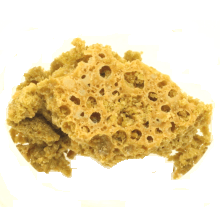
Cannabis Wax, like shatter and butter, is made using BHO extraction. During the extraction, if the concentrate solution is overheated or agitated, it produces an opaque material with a consistency similar to ear wax (as unappetizing at that sounds). If the consistency is porus, it would be called Honeycomb. If it turns out dry and flaky because less heat was applied during extraction, it would be called Crumble or Flake.
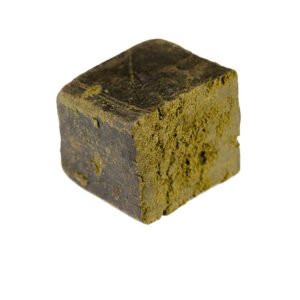
Most everyone knows about hash, the oldest player in the game and one of the few concentrates made without the use of BHO’s. Hash is made by compressing the plant’s resin, or the powdery kief that coats the cannabis flowers.
Although not at strong as its BHO counterparts, hash remains a staple in cannabis culture due to its versatility. Easily consumed on its own, or added to any joint or bong hit for a little added extra.

Hash oil, or honey oil, uses alcohol such as Everclear or isopropyl to separate the delicious trichomes and cannabinoids from the plant. Once the alcholol has been evaporated, what you’re left with is the dark concentrated plant extract.

Live Resin is known for its intense flavor. The process of using live plant material (fresh or frozen) helps preserve the terpenes and many other cannabinoids that don’t get spoken of very often. This is what contributes to the entourage effect that provides an incredibly well-rounded high that is complemented with delicious flavor profiles. Unfortunately, live resin is pricier than other concentrates.
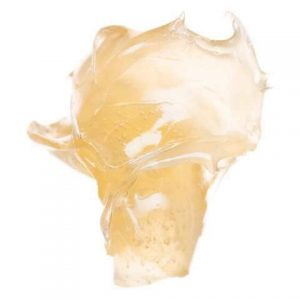
This increasingly popular and unique form of cannabis concentrate involves the cryogenic freezing of a freshly-harvested plant at temperatures below -292 degrees F (-180 C). This process is often labeled “full plant” or “full spectrum” because it involves the entire plant, including the flowers, leaves, branches, and even stalk.
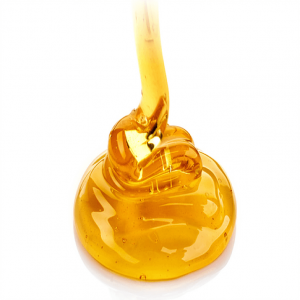
Unlike most of the other concentrates mentioned in this post, Rosin is made without chemical extraction. Instead, it’s made using a combination of heat and pressure to release the THC rich resin.
This increasingly popular and unique form of cannabis concentrate involves the cryogenic freezing of a freshly-harvested plant at temperatures below -292 degrees F (-180 C). This process is often labeled “full plant” or “full spectrum” because it involves the entire plant, including the flowers, leaves, branches, and even stalk.
Extracted from fresh, frozen flowers or trim, the distinct difference between Rosin and Live Rosin is terpenes. While a hair-straightener might be sufficient for extracting rosin from cured flowers, the water content in the frozen plant matter would boil when heated, thereby making the technique unsuitable for live rosin. Rather, live rosin is made by first making ice wax, and then drying that extract prior to pressing it.
Cannabis Distillates are a different kind of concentrate that are beginning to make waves in the cannabis community. Distillates are 99% pure decarboxylated and distilled cannabinoid sap. Although it’s the most expensive concentrate available, it’s for good reason. Distillates have an unmatched purity for cannabis connoisseurs to enjoy.
So what makes distillates so pure? Well, in order to isolate compounds such as THC, or CBD, into their purest and most concentrated form, additional layers of refinement must be executed. This is known as fractional, or short path distillation. First, cannabinoids and terpenes are separated from the flower using hycrocarbon or CO2 solvent-babsed extraction techniques. The isolated cannabinoids then undergo decarboxylation in order to activate certain compounds. Finally, they’re run through a short path steam distillation or rational distillation chamber in a series of passes to purify the desired compound to its isolated state on a molecular level.