Character Co. Cannabis Dispensary Shop Now!
Character Co. Ltd.
  • CHARACTER CO.
    • About Us
    • Support Local
  • WHAT’S NEW
    • Rewards Program
    • Cannabis Deals and Savings
  • CANNABIS MENU
    • Flower
    • Pre-Rolls
    • Cartridges
    • Concentrates
    • Edibles
    • Topicals
    • Accessories
  • MEDIA
    • Cannabis Blog
    • Videos
    • In the News
  • INFO
    • Contact

Cannabidiol

7 Health Benefits of CBD

February 11, 2020
1 Comment

7 HEALTH BENEFITS OF CBD

Things you may not have known, that are good to know.


Cannabidiol (CBD), is a chemical compound found in the cannabis plant. It’s a naturally occurring substance that can be isolated to make products such as CBD oils and edibles. Unlike it’s cousin cannabinoid THC, which is the psychoactive ingredient in cannabis, CBD does not produce a “high” feeling.

So what does CBD do? Here’s what you need to know about 7 potential medical uses of CBD and where the research stands:


1. Anxiety Relief

Research on CBD is still in its infancy, but there is mounting evidence to suggest it can be an effective method of anxiety relief. How exactly? Well, researchers think it may change the way our brain’s receptors respond to serotonin, a chemical closely linked to mental health. Receptors are tiny proteins attached to your individual cells that enable the cell to receive chemical messages and help respond appropriately to different stimuli.

One study found that a 600mg dose of CBD helped people with social anxiety give a speech, while others have shown reduced symptoms of social anxiety in people with social anxiety disorder.  Other earlier studies done with animals have shown that CBD may help relieve anxiety by:


Reducing stress

Decreasing physiological effects of anxiety, such as an increased heart rate

Improving symptons of post-traumatic stress disorder (PTSD) 

Inducing sleep in cases of insomnia


2. Anti-seizure

CBD has been in the news for some time now, especially as a possible treatment for epilepsy. The American Epilepsy Society states that cannabidiol research offers hope for seizure disorders, and that research is currently being conducted to better understand safe use.

The UNC School of Medicine researchers show it may alleviate seizures and normalize brain rhythms in Angelman syndrome, a rare neurodevelopmental condition.


health benefits of cbd

3. Neuroprotective

Researchers are looking at a receptor located in the brain to learn about the ways that CBD could help people with neurodegenerative disorders, which are diseases that cause the brain and nerves to deteriorate over time. This receptor is known as CB1.  Researchers are studying the use of CBD oil for treating:


Alzheimer’s disease

Multiple Sclerosis (MS)

Parkinson’s disease

Stroke


CBD oil may also reduce the inflammation that can make neurodegenerative symptoms worse. Of course, more research is needed to fully understand the effects of CBD as a treatment for neurodegenerative diseases.


health benefits of cbd

4. Anti-acne

The effects of CBD on receptors in the immune system may help reduce overall inflammation in the body. In turn, CBD oil may offer benefits for acne management. A human study published in the Journal of Clinical Investigation found that the oil prevented activity in sebaceous glands.

These glands are responsible for producing sebum, a natural oily substance that hydrates the skin. Too much sebum, however, can lead to acne.


health benefits of cbd

5. Pain Relief

The effects of CBD oil on your brain’s receptors may also help you manage pain. Studies have shown that cannabis can offer some benefits when taken after chemotherapy treatments. Other pre-clinical studies sponsored by the National Institutes of Health are also looking at the role of cannabis in relieving symptoms caused by:


Arthritis

Chronic pain

MS pain

Muscle pain

Spinal cord injuries


Nabiximols (Sativex), a multiple sclerosis drug made from a combination of TCH and CBD, is approved in the United Kingdom and Canada to treat MS pain. However, some researchers think the CBD in the drug may be contributing more with its anti-inflammatory properties than by acting against the pain. Clinical trials of CBD are necessary to determine whether or not it should be used for pain management.


health benefits of cbd

6. Cancer Treatment

The key word here is “treatment”, not to be confused with “cure”. Even using treatment in the same sentence as cancer might be a little premature, but there is evidence to suggest CBD may help manage symptoms of cancer.


Pain relief: Both cancer and its treatment can lead to pain. CBD indirectly acts on the CB2 receptors, which may help with widespread pain relief by reducing inflammation.

Tumor: researchers noted in a 2016 study that the use of cannabinoids seem to inhibit the growth of many different types of tumor cell in both test tubes and animal models.


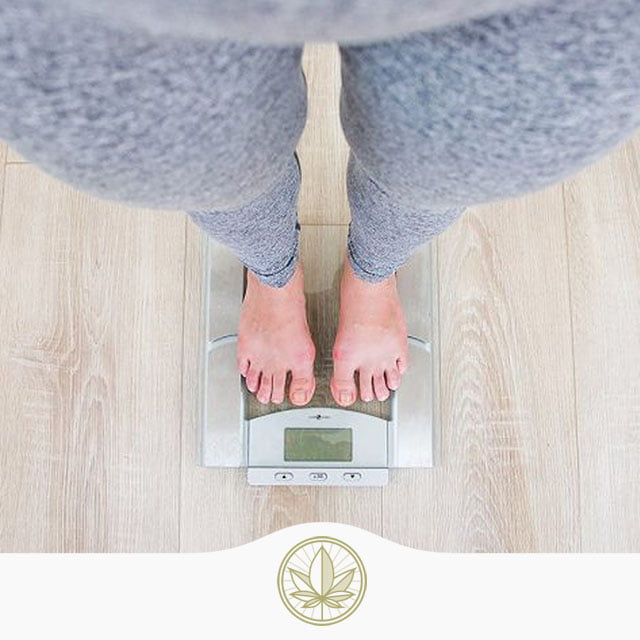
7. Weight Regulation

 Boost metabolism and reduce food intake


Preliminary research suggests that CBD may reduce food intake and boost metabolism, which could promote weight loss.

Animal studies indicate that CBD affects weight by interacting with CB1 and CB2 receptors in lymphoid tissue and the brain. These receptors are thought to play important roles in metabolism and food intake.

While such results are promising, there are not enough human studies to support these findings, and more research is needed to be conclusive.


Browning of fat cells


Two types of fat exist in your body: White and Brown.

White fat is the predominant form, and it’s also the type of fat most associated with chronic illness when accumulated in excess. Brown fat, on the other hand, is responsible for generating heat by burning calories.

You can convert white fat to brown by exercising, getting adequate sleep, and exposing yourself to cold temperatures. Interestingly, research shows that CBD may aid this process. However, more human research is needed to confirm these effects.

Read more about CBD and weight management here.


8. CBD oil side effects

CBD oil does not pose any major risk for consumers. Unlike traditional medications for pain management, there are no apparent lethal doses of CBD. This is because the drug does not affect the central nervous system in the way that opiates do. However, some side effects are possible.  These could include:


Depression

Dizziness

Hallucinations

Low blood pressure

Withdrawal symptoms, such as irritability and insomnia


More human studies are needed to fully understand the range of risks and side effects that CBD oil may cause. Studies of CBD on its own aren’t common, as most studies are done on the cannabis plant as a whole and not on CBD isolated.


Summary

CBD may not help, but it will not hurt.


CBD oil does not pose any major risk for consumers. Unlike traditional medications for pain management, there are no apparent lethal doses of CBD. This is because the drug does not affect the central nervous system in the way that opiates do. However, some side effects are possible.  These could include:


Depression

Dizziness

Hallucinations

Low blood pressure

Withdrawal symptoms, such as irritability and insomnia


More human studies are needed to fully understand the range of risks and side effects that CBD oil may cause. Studies of CBD on its own aren’t common, as most studies are done on the cannabis plant as a whole and not on CBD isolated. However, the potential health benefits of CBD cannot be ignored.


Now you know, the things that are good to know.


Read More
CBD for Weight Management

CBD for Weight Management

June 20, 2019
0 Comment


Character Co. Blog


CBD for Weight Management

The effects of CBD on weight loss or weight gain


Endocannabinoid System

We know that the human body has a built-in endocannabinoid system that responds to different compounds in the body through two cannabinoid receptors, called CB1 and CB2 receptors. Usually, the CB1 receptors exist mainly in the brain and the central nervous system, and are almost nonexistent in the rest of the body. In people with obesity, however, CB1 receptors become more widespread. This is true especially in fatty tissue. Because of this, researchers believe that there may be a link between the activation of the CB1 receptors and obesity. 

CBD does not activate the CB receptors directly, instead influencing the body’s natural cannabinoids to either block off or activate the receptors. This may play a role in weight loss or other critical metabolic functions.


Food Intake and Metabolism

Preliminary research suggests that CBD may reduce food intake and boost metabolism, which could promote weight loss.  

The endocannabinoid system stimulates other areas of the body involved in metabolism including the gastrointestinal tract, endocrine pancreas, and skeletal muscles, among others. CBD can assist metabolising compounds absorbed from food during digestion by prompting the two receptors.

Over stimulating the endocannabinoid system can lead to abdominal obesity, insulin resistance and increased energy storage in fat cells.  CB1 receptor when over stimulated can increase odds of developing metabolic syndrome which is associated with adverse symptoms such as high blood pressure, excess body fat, and high blood sugar among others. It has been noted that CBD is a CB1 antagonist which may have the ability to treat such a condition and possibly others like it as well.


Surprisingly, cannabis use is associated with lower body weight

Using marijuana doesn’t cause sudden weight loss, but experts believe it may help with some of the underlying factors that can contribute to weight gain in some people. Some of these factors include:

It can increase mobility

Marijuana is believed to relieve symptoms of pain and stiffness. This means people with mobility issues may find that they are able to be more active when using marijuana, which would naturally contribute to weight loss or weight management.

It may cause people to drink less

Some experts have noted that those who use cannabis, tend to drink less. Alcohol, which has the highest calorie content next to fat, can be a significant factor to weight gain. 

It can lower stress

Anyone who has ever dieted knows that stress eating is a very real thing. Studies have shown that people are more likely to overeat and choose high-calorie comfort foods when feeling stressed. If cannabis can ease anxiety and help a person remain calm, it enables them to make healthier food choices. 

It may improve sleep

Evidence shows that poor sleep can be a major factor in weight gain. There’s also evidence that cannabis can improve symptoms of insomnia. Better sleep means better food choices. 


CBD and Fat Cells

One study found that cannabidiol can promote the browning of 3T3-L1 adipocytes, in other words, the browning of fat cells.  


Two types of fat – white and brown – exist in the human body


White fat is much more plentiful than brown, and is responsible for the storage of energy and production of hormones. However, it is also the fat most associated with chronic illnesses such as diabetes and heart disease, when accumulated in excess. 

Brown fat on the other hand, burns calories when stimulated. Scientists are studying brown fat as a potential obesity treatment if they’re able to find a way to stimulate it. Interestingly, research has shown that CBD may aid this process.   

A recent study suggests that CBD plays dual modulatory roles in the form of inducing the brown-like phenotype as well as promoting lipid metabolism. Thus, CBD may be explored as a potentially promising therapeutic agent for the prevention of obesity. 


CBD for Weight Management


In Summary

Though it’s not conclusive that CBD can aid in weight loss, the current research strongly suggests that CBD can help with maintaining weight.  If weight loss is the goal, it would not do any harm in adding CBD to your current regime. Just do so knowing that the science is still new, and it may not help at all.

Find out more:

Crash Course on CBD

https://www.ncbi.nlm.nih.gov/pubmed/21868374

https://www.healthline.com/nutrition/cbd-oil-for-weight-loss#weight-loss


Read More

A Crash Course on CBD (Cannabidiol)

August 25, 2018
0 Comment
cbn winnipeg

A Crash Course on CBD

(Cannabidiol)

What is CBD?

Cannabidiol, better known as CBD, is all the hype these days. You’ve probably seen these three letters before, but what is it exactly?

CBD is a chemical compound known as a cannabinoid, which is extracted from the cannabis plant for its therapeutic benefits. A better known cannabinoid is delta-9 tetrahydrocannabinol (THC), the cannabinoid responsible for that “high” feeling people experience. Unlike THC, cannabidiol contains very little psychoactive elements, which means it does not alter or change the consumer’s state of mind. This is the reason CBD is primarily consumed for medicinal purposes.

CBD Cannabinoid

CBD chemical compounds

How does CBD work?

All cannabinoids, including CBD, attach to the human body through receptors in order to produce effects. As mentioned earlier, the human body produces certain cannabinoids on its own, as well as having two receptors specifically for cannabinoids, called the CB1 receptors and CB2 receptors. CB1 receptors are located throughout the body, but many are found in the brain. CB2 receptors are most commonly found in the immune system.

CBD Receptors

CB1 receptor and CB2 receptor

Methods of Consumption

Cannabidiol is most commonly consumed orally, topically, or vaporized. The preferred method varies depending on the ailment. For example, studies have shown that taking CBD orally (capsules or tinctures) does very little to help inflammation or joint pain. However, topical applications such as creams or gels infused with CBD have shown much more promising results.

Before trying CBD for yourself, it is always recommended to read the latest research publication for the best methods, or preferably, consult your family doctor.

When CBD is taken orally, it is absorbed through the digestive system and then metabolized by the liver in what is referred to as the “first pass effect”. This function actually reduces the concentration of CBD compounds that end up in the bloodstream.

While ingesting CBD is the easiest administration method, it is not the most efficient for high absorption levels. A recommended tip is to hold the CBD oil under the tongue for 60 to 90 seconds before swallowing. This will allow the mucus membranes in the mouth to absorb the CBD compounds and reach the bloodstream without being broken down by enzymes through the liver.

Topical

CBD applied directly to the skin never reaches the bloodstream, but it does interact with receptors near the skin surface to reduce inflammation and swelling. The application of CBD balms, creams, or lotions, must be applied liberally and often to overcome the skins low permeability.

Inhalation

When inhaled, CBD compounds are absorbed through the alveoli in the lungs, and then immediately transferred into the bloodstream. This method is the fastest method of absorbing CBD, as well as the most efficient.

How is it made?

CBD is made through an extraction process. This process usually includes a solvent (ideally a non-toxic fluid CO2, which is generally regarded as sage by the FDA and used extensively for extraction in the food industry) to separate and collect the essential oils and compounds from the cannabis plant. Generally, plants with low-THC and high-CBD are cultivated specifically for this purpose.

Now that you are more familiar with cannabidiol, visit our store for a variety of CBD products available.

If you would like to learn more about the medical benefits of CBD in particular, here are a few recommended articles to check out:

Cannabinoids in health and disease;

Early Phase in the Development of Cannabidiol as a Treatment for Addiction;

Effectiveness of Cannabidiol Oil for Pediatric Anxeity and Insomnia

Read More
All Rights Reserved. 2022©Character Co. Ltd. |  Powered for Life ♥ Character Co. Ltd. Cannabis Dispensary.
payment
X
  • Menu
  • CHARACTER CO.
    • About Us
    • Support Local
  • WHAT’S NEW
    • Rewards Program
    • Cannabis Deals and Savings
  • CANNABIS MENU
    • Flower
    • Pre-Rolls
    • Cartridges
    • Concentrates
    • Edibles
    • Topicals
    • Accessories
  • MEDIA
    • Cannabis Blog
    • Videos
    • In the News
  • INFO
    • Contact